Why I'm Publishing My Trading Account in Public, Losses Included
· #trading-psychology #systematic-trading #transparency #accountability #risk-management
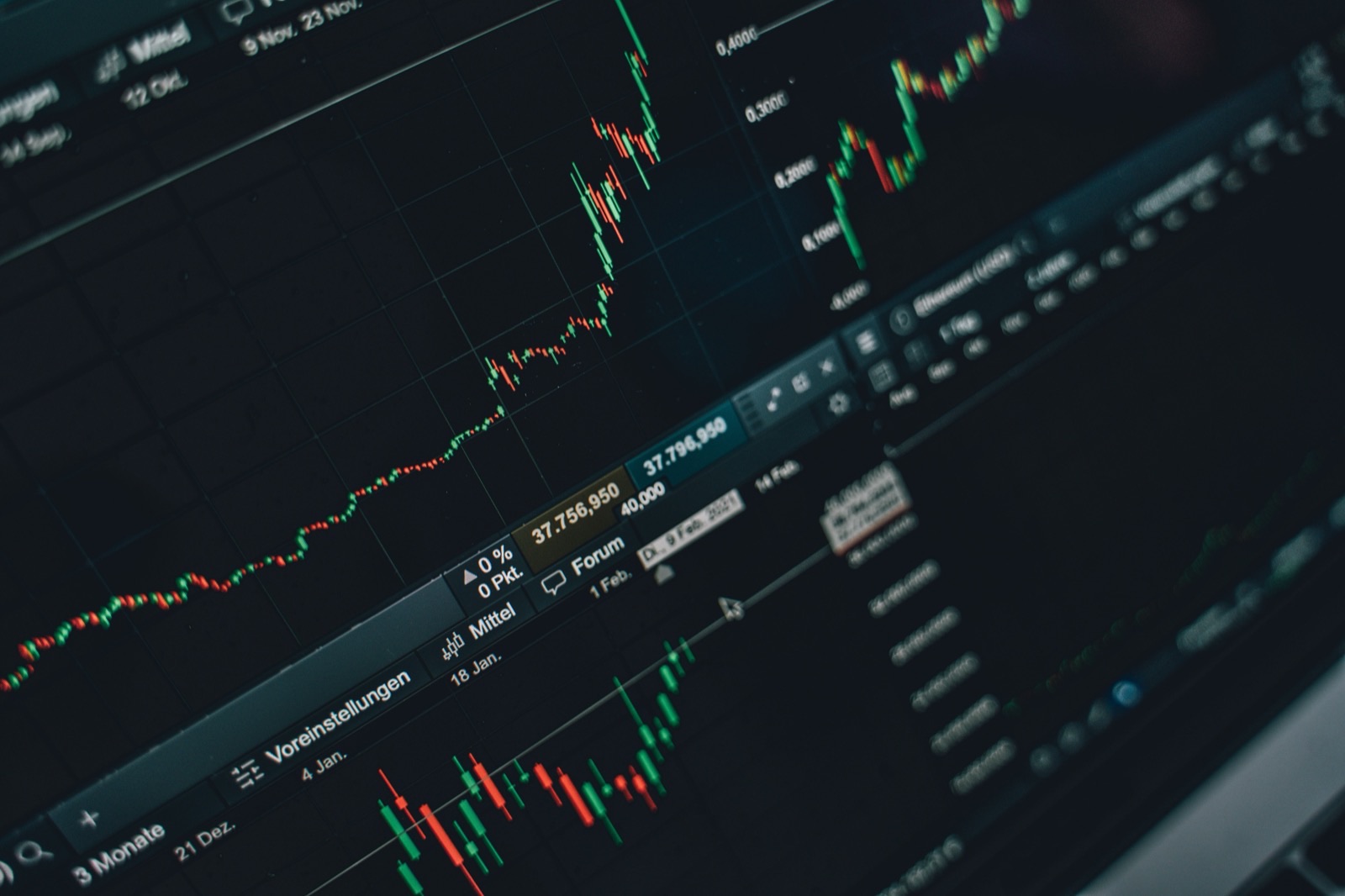
You have seen the screenshot. One big green day, cropped tight, posted with a caption that quietly implies every day looks like that. It is the most common image in trading, and it is close to the easiest lie you can tell.
I have decided to do the opposite. I am going to run a real trading account and publish what it does, openly and ongoing, with no editing. Not a backtest. Not a highlight reel. A real account meeting real spreads in real time. This is the honest version of why, including the parts that make it uncomfortable.
Why show the losses at all?
Because a track record you only see when it is winning is not a track record. It is marketing with good production values.
I come at this as a software engineer before a trader, and the engineering instinct is simple: if you only report the passing tests, you do not have a test suite, you have a highlight reel. The same is true for a trading account. If I bury the red days and surface the green ones, the curve I show you is fiction, no matter how real each individual trade was.
So the deal is plain. Every trade, the winners and the losers. The drawdowns as they happen, not after they recover. The dull stretches where nothing fires. The days the account is underwater. A brand that only posts wins is a slot machine with a logo, and that is exactly the thing I am trying not to build.
What exactly will be public, and what will not?
Public: the full picture. The trades, the equity curve as it prints, the drawdown sitting right next to the return so neither one can hide behind the other.
Not public, because it would cross a line I will not cross: I will not tell you to buy or sell anything. I will not sell signals. I will not manage your money. I will not promise a number, and I will never imply you can stop thinking. What I will do is show you my own account, honestly, and let the curve speak for itself. This is a public experiment you can watch, not advice you should follow.
That distinction matters to me more than any single result. The account is mine. The risk is mine. Your job, if you choose to have one here, is to judge the process, not to copy a trade.
Why write the rules before the first number prints?
Here is a small discipline that turns out to be the whole game. I am fixing the rules of the reveal in advance, before a single live number exists, so I cannot quietly game them later.
Report the full period, not a flattering slice. Show drawdown alongside return, always. Do not restart the account after a bad run and pretend the earlier stretch did not happen. Do not switch the strategy and keep the old curve attached to it. These sound obvious. They are only obvious when there is nothing at stake. The moment a drawdown is on screen and it would be convenient to move a goalpost, rules you wrote in advance are the only ones that still bind you.
This is the same habit I use inside the Dquants engine I developed: decide what would count as a pass before you run the test, so you cannot move the bar to wherever the result happened to land. The integrity of a track record is decided before it starts, not after.
Why would an engineer expose himself like this?
Because publishing forces a discipline that private trading never does. You cannot fool a public curve. You cannot quietly move a stop, or pretend a loss did not happen, or round a bad month up. The audience becomes a commitment device, and I am using it on myself.
This whole project started because manual trading let emotion win arguments against logic. Going public is the final containment of that. When the rules are visible and the curve is live, there is nowhere for impulse to hide. The system is not here to predict the market. It is here to keep the human from breaking his own rules.
That is why the risk controls in the KenKem MasterVP Expert Advisor, things like a maximum daily risk limit and a volatility veto, live in code rather than in a tired person's memory at two in the morning. And it is why the account will only ever execute the risk settings I configured in advance. The software handles the mechanics of execution. I stay responsible for the risk and the decision to run it at all. In software you do not ship and hope. You test, you stage, you monitor in production, you roll back when something breaks. A strategy deserves the same respect, because the bug here costs real money.
Isn't this just a slower kind of marketing?
It is a fair question, so here is the honest line I hold. A promotion shows you a result and asks you to act. Transparency shows you a process and asks you to judge. I am doing the second one.
There is no countdown clock here. No limited spots. No "you will miss it if you do not act now." The account will be there to watch whenever you choose to look, and tomorrow's data will be exactly as honest as today's. Urgency is a sales tactic, and I do not have anything to rush you into. The account will also start small on purpose, because the point is to prove the process survives contact with reality, not to wave around an impressive dollar figure. A big number early would just be a bigger way to be wrong.
So what am I actually asking of you?
Nothing, financially. Truly. What I would value is your skepticism. Watch the account. Check whether the drawdowns match what I said they would be. Call it out if the story ever drifts from the curve. An honest, doubting audience is the best quality control a process like this can have, and if you have been burned by trading hype before, that scar tissue is exactly what I want in the room.
I am hopeful about what is coming, and hopeful is not the same as certain. The account will decide what is real, and I have made my peace with whatever it says. If it fails, I will say so, document why, and go back to the Dquants engine. That is not the brand breaking. That is the brand working as designed.
Educational purpose only. This describes a personal, transparent process and a set of software risk controls, not financial advice, not a signal service, and not a claim of results. Trading involves risk, including the risk of loss. Past performance does not guarantee future results.